
National Sexual Assault Awareness & Prevention Month
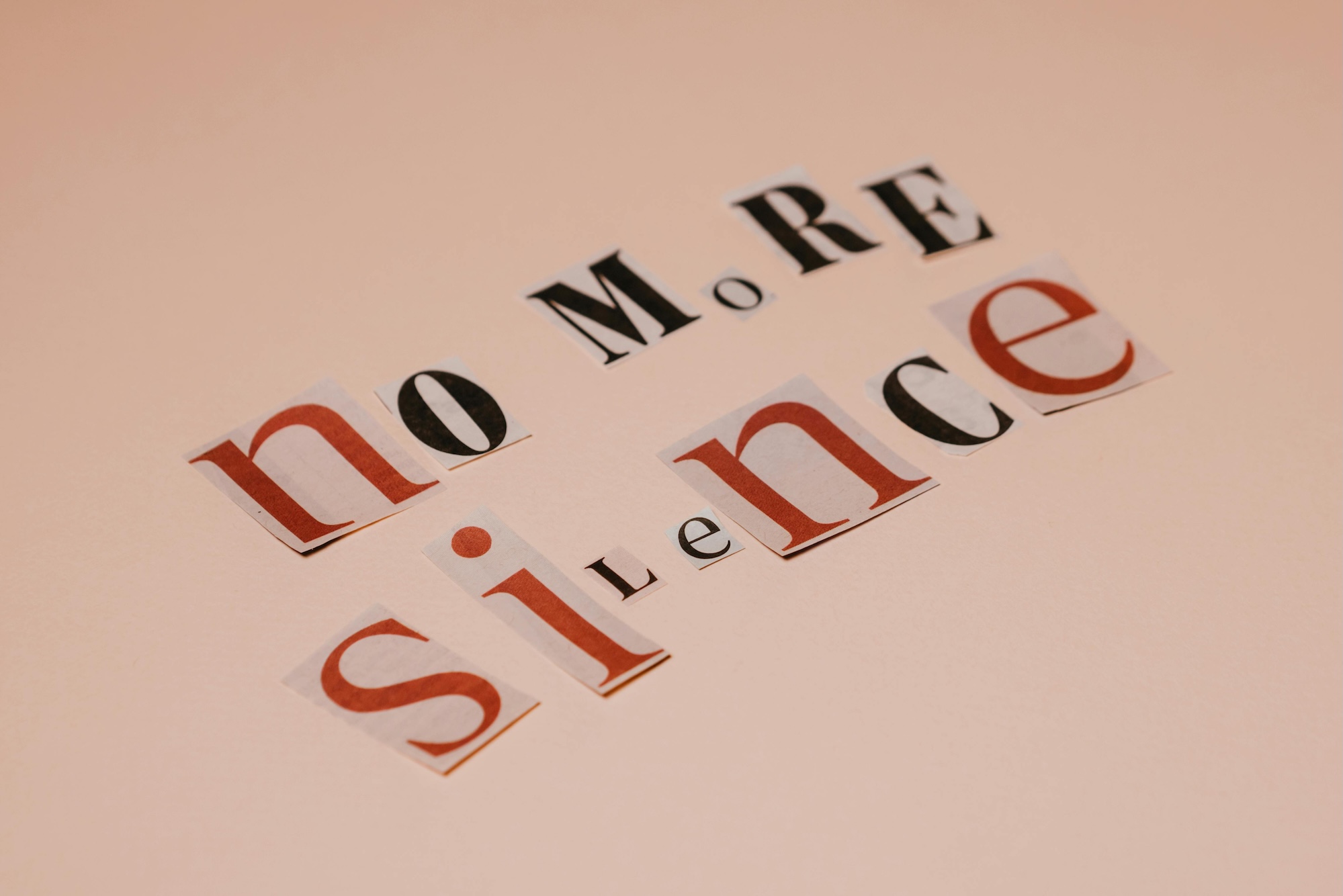
Understanding the Reality of Sexual Assault
It Happens More Often Than We Realize
April is Sexual Assault Awareness and Prevention Month, a time to pause, reflect, and talk more openly about something that harms many people, often in silence and shrouded in shame.
Sexual assault is more common than most of us realize. It can happen across all ages, genders, sexualities, and religious and cultural backgrounds. Many people who experience it never tell anyone, or they may wait years before speaking about it. Because of this shame and secrecy, you may be surprised if you someday learn a friend or family member has been affected. Or, perhaps you were affected yourself.
You Are Not Alone
If this topic feels personal for you, it is important for you to hear this clearly: what happened was not your fault. No matter the situation, what you were wearing, saying, or doing, who you were with or not with, or what decisions you made...you did not cause someone else’s harmful behavior.
It Was Not Your Fault
Why Self-Blame Happens After Trauma
It's common to feel blame, even when you logically know you shouldn’t. Thoughts like “I should have done something different” or “I should have known better” can be haunting. These are understandable responses to trauma, but they are not truths. Healing often includes gently learning to release that self-blame and replace it with compassion.
Emotional and Physical Reactions
People respond to assault or other traumatic experiences in various ways. Some feel anxious or on edge. Others may feel numb, disconnected, or unsure of how to feel at all. Sleep may be interrupted or it might feel like an escape. Concentration and attention can be affected. Or sometimes, life continues on the surface while something deeper feels unsettled.
What if you finally understood that however you responded, your reaction makes sense. There is no “correct” way to process something difficult.
How the Brain and Body Protect You
Our brains and bodies are built to protect us. In moments of threat, responses like freezing, shutting down, or going along are automatic, not chosen. And yet, many people look back and ask themselves: Why didn’t I say something? Why didn’t I leave?
These questions often lead to self-blame instead of understanding. A more helpful question might be: What was my body trying to do to get me through that moment?
Shifting your lens this way can soften shame and make space for self-compassion.
Moving Toward Healing
Practicing Self-Compassion
Healing doesn’t mean minimizing what happened. It means learning to relate to yourself differently afterward...with more patience, less judgment, and, when possible, support.
If you notice self-critical thoughts, try asking yourself:
- Would I say this to a friend who went through something similar?
- What would it look like to treat myself with the same care I offer others?
Even small shifts toward gentleness, like allowing yourself rest, setting boundaries, or reaching out for support, can make a meaningful difference.
Listening Without Judgment
We'll leave you with this reminder. It is never too late to be for someone else what you once needed. If someone in your life shares that they have experienced sexual assault, one of the most helpful things you can do is simply to listen and believe them. You don’t need to have the “right” words. Being present, nonjudgmental, and respectful of their choices can be incredibly powerful.
You Deserve Support
And if you are the one who needs support, you deserve that same care.
In our practice, we aim to create a space where you feel safe, respected, and in control of what you choose to share. You are never expected to talk about anything before you are ready, but if and when you are, we are here to listen and support you at your own pace.
If this message brings up thoughts or feelings for you, you are not alone in that.
And you do not have to carry it by yourself.
You deserve support. You deserve compassion. And you deserve to feel safe. Reach out for support today.
AI assists in editing our blogs, but we ensure accuracy with science and clinical expertise.
Related Articles
Connect With Us
We're ready to partner with you. Please fill out our online appointment request form or leave a brief message on our voicemail. We'll be in touch shortly to start the conversation.
*We cannot provide therapy in the following states: LA, NM, & OR
(We are pleased to offer coaching in every US state)
Practice Perspectives
Sign up for our newsletter where we share free community events and keep you up to date on the latest happenings from our team. We don't spam and rarely send more than one email per month. We never sell your information.
