
THC Gummies: What Every Parent Needs to Know
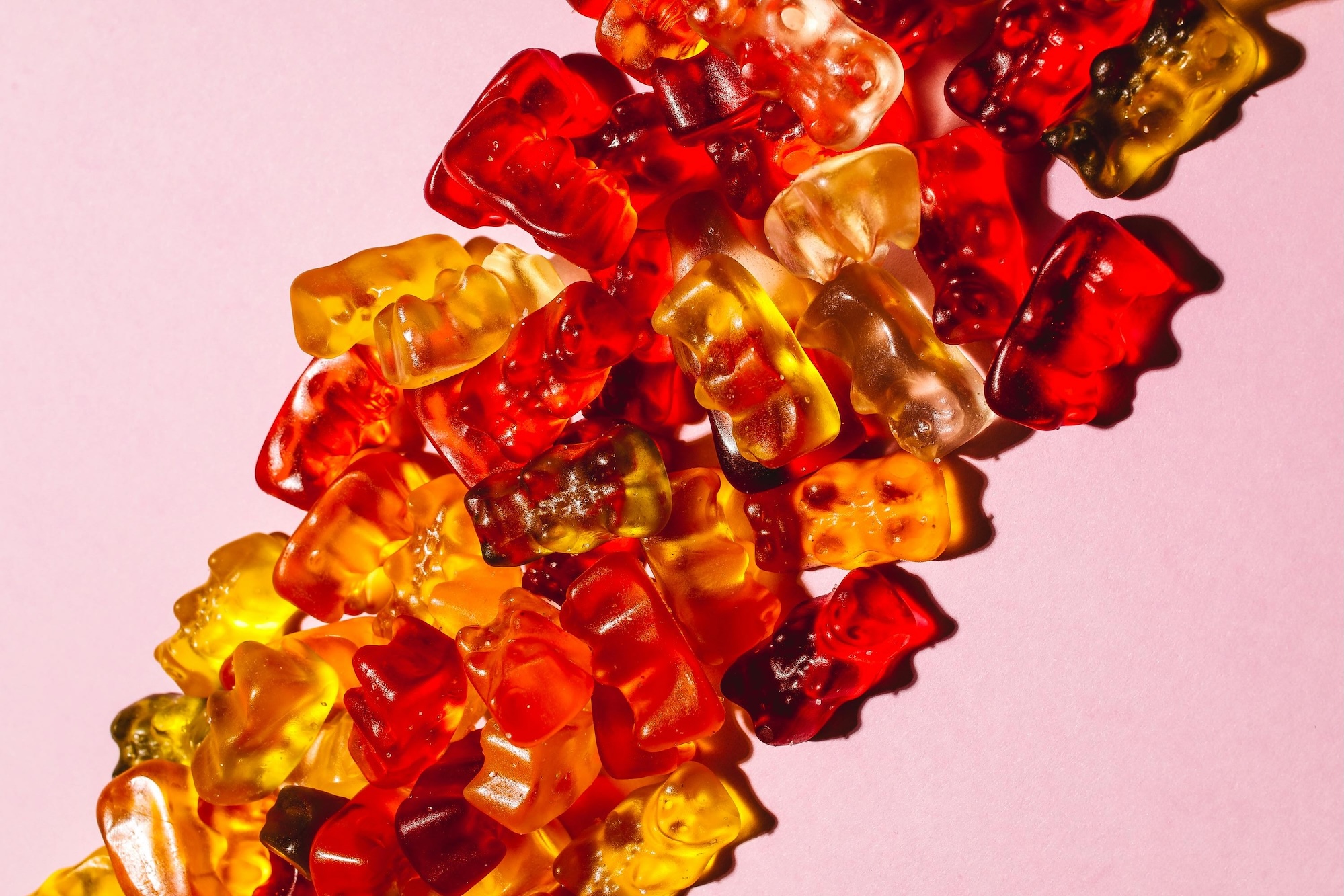
What do THC gummies and your child's favorite snacks have in common? Unfortunately, more than you might think. THC gummies are often marketed, packaged, and even named to look virtually identical to the candy and treats already sitting in your pantry.
Products like "Stoney Patch" and "Medicated Skittles" are nearly indistinguishable from other children's candy. And as cannabis becomes more widely available, accidental ingestion among children is rising fast. THC affects a child's developing brain far more intensely than an adult's and even a small dose can cause rapid heart rate, extreme sedation, confusion, vomiting, or seizures. Children and teens may gain access to THC gummies in a number of ways, including finding them at home, receiving them from friends, or encountering them at parties and social gatherings. Understanding these risks can help parents start important conversations before a problem occurs.
Talk to Your Kids About the Risks…Before It Happens
An honest conversation is your most powerful tool. Remember to keep it age-appropriate. The goal is not to scare children or teens, but to help them recognize risks, ask questions, and make safe choices. To help you get started, here are some guidelines for a conversation:
- Young children (4–8): Some gummies are medicine for grown-ups only. Never eat anything without asking an adult first. Remind children that even if something looks like candy, it may not be a treat.
- Tweens (9–12): Looking like candy doesn't make something safe. It's always okay to say no, ask questions, or check with a trusted adult before trying something. Encourage them to come to you if they are ever unsure.
- Teens: THC edibles might be passed around at parties or shared by friends, but they can carry unknown doses and real risks, including medical emergencies. They can impair your judgment, make it unsafe to drive, and because some edibles can take much longer to take effect than people expect, you may end up consuming more than intended.
No matter your child's age, the most effective conversations are ongoing rather than one-time talks. Creating an environment where children and teens feel comfortable asking questions without fear of punishment can make it more likely they will come to you when faced with difficult situations.
Safe storage isn't optional. Treat edibles like prescription medication:
- Lock them up — a high shelf is not enough
- Keep them in original packaging — never store in bowls, bags, or jars
- Store away from food — not in the pantry or anywhere kids have access
- Make sure every adult in the home follows the same rules
If a child may have ingested a THC edible, act immediately:
- Poison Control: 1-800-222-1222 (24/7)
- Call 911 if the child is unresponsive, seizing, or struggling to breathe
- Don't wait for symptoms to worsen — always seek medical evaluation asap
The gummies on your shelf and the candy in your child's Halloween bag may look identical. That's exactly why this conversation can't wait.
For support navigating these conversations with your child, a licensed mental health therapist or behavior coach can help.
AI assists in editing our blogs, but we ensure accuracy with science and clinical expertise.
Related Articles
Connect With Us
We're ready to partner with you. Please fill out our online appointment request form or leave a brief message on our voicemail. We'll be in touch shortly to start the conversation.
*We cannot provide therapy in the following states: LA, NM, & OR
(We are pleased to offer coaching in every US state)
Practice Perspectives
Sign up for our newsletter where we share free community events and keep you up to date on the latest happenings from our team. We don't spam and rarely send more than one email per month. We never sell your information.
